Darknet: How Data Science Detects Hidden Crimes
The Role of Data Science in Analyzing the Darknet: Techniques and Applications
The Darknet has long been a mystery for many, but as a data scientist, I’ve come to understand its complexities and the immense challenges it presents to cybersecurity professionals. My experience with the Lantern Institute has truly shaped the way I view this hidden part of the internet and equipped me with the skills needed to make an impact. In this article, I’ll explore the Darknet, how data science is being used to uncover illegal activities, and how the Lantern Institute prepares students to handle this crucial aspect of cybersecurity.
What is the Darknet?
The Darknet is a part of the deep web that is not indexed by search engines and is often associated with illegal activities. It relies on specific technologies, like Tor (The Onion Router) and I2P (Invisible Internet Project), to anonymize users. Because of the encryption and anonymity these tools offer, it’s a haven for activities like:
- Drug trafficking
- Human trafficking
- Weapons sales
- Cybercrime (hacking, identity theft, etc.)
The difficulty in tracking and analyzing activities on the Darknet has made it a significant challenge for law enforcement agencies and cybersecurity experts. But with the right data science techniques, we can begin to make sense of this seemingly impenetrable space.Check darkweb markets links to analyze them.
The Power of Data Science in Darknet Analysis
Before I dive into how data science is changing the game, it’s worth noting that data science is more than just crunching numbers. It’s about finding patterns, making predictions, and uncovering hidden truths in massive datasets. When applied to the Darknet, data science becomes a powerful tool for identifying suspicious behavior and illegal activity.
Key Data Science Techniques in Darknet Analysis

- Web Scraping and Data Mining:
Darknet marketplaces, forums, and communication platforms are filled with hidden information. Through web scraping, we can extract data from these sources, giving us insight into what’s happening in real time. Data mining then allows us to sift through that information to detect patterns. - Machine Learning and Anomaly Detection:
Machine learning models are excellent at identifying patterns, but more importantly, they can detect anomalies—something that’s crucial in the Darknet where criminals try to hide their activities. Algorithms can be trained to recognize suspicious transaction patterns, unusual behavior, and encrypted communications. - Natural Language Processing (NLP):
One of the most interesting techniques I’ve come across is NLP, which is used to analyze conversations in Darknet forums. Whether it’s code words or the sentiment of a conversation, NLP can pick up on language that might indicate illegal activity. - Cryptocurrency Transaction Analysis:
Cryptocurrencies like Bitcoin are the currency of choice on the Darknet. Blockchain analysis can track these transactions, mapping out networks of buyers and sellers and revealing connections that were once hidden. - Network Analysis:
Through network analysis, we can map out the relationships between different users on the Darknet. This can help us identify the key players in illegal operations, making it easier for law enforcement to take action.
How the Lantern Institute Prepares Data Scientists for Darknet Analysis
When I first began exploring the role of data science in cybersecurity, I realized the need for specialized training. That’s where the Lantern Institute played a huge role in my professional journey. They don’t just teach you the theory—they put you right into the action, working with real-world data and industry tools.
Hands-On Training in Data Science
The Lantern Institute offers courses that are specifically designed to help data scientists tackle real-world challenges. Some of the most important ones for me included:
- Advanced Data Science and Machine Learning: Here, I got hands-on experience working with large datasets and machine learning algorithms that I could directly apply to Darknet analysis.
- Cybersecurity Analytics: This course taught me how to analyze networks and detect threats, focusing on data breaches and Darknet activities.
- Blockchain and Cryptocurrency Analytics: Given the role of cryptocurrencies in the Darknet, understanding blockchain technology was crucial. This course gave me the tools to analyze and track illicit financial transactions.
Real-World Projects
One of the best things about the Lantern Institute is that they don’t just teach—you work on real projects. For example, we worked on scrubbing data from hidden websites, identifying patterns in encrypted communications, and even mapping out potential criminal networks. This hands-on experience is what sets Lantern Institute apart and gives students the confidence to apply their skills in the real world.
Industry Mentorship
Throughout my time at the Lantern Institute, I had access to experienced mentors from the cybersecurity field. These experts provided invaluable insights into the industry, helping me understand the current trends and technologies used by professionals to analyze the Darknet.
Real-World Applications: Data Science in Action
The knowledge and skills I gained at the Lantern Institute gave me a deep understanding of how data science is being used in real-world Darknet investigations. Let’s take a look at how these techniques are applied in practice.
Law Enforcement and Darknet Crackdowns
In recent years, law enforcement agencies around the world have made significant breakthroughs in Darknet investigations. Much of this success can be attributed to the use of data science techniques. For instance:
- Operation DisrupTor: A global law enforcement effort that used machine learning and cryptocurrency tracking to identify and arrest over 179 individuals involved in Darknet activities.
- AlphaBay Takedown: In 2017, the Darknet marketplace AlphaBay was shut down. Authorities used data scraping and blockchain analysis to track illegal transactions and identify key players.
The Role of Private Cybersecurity Firms
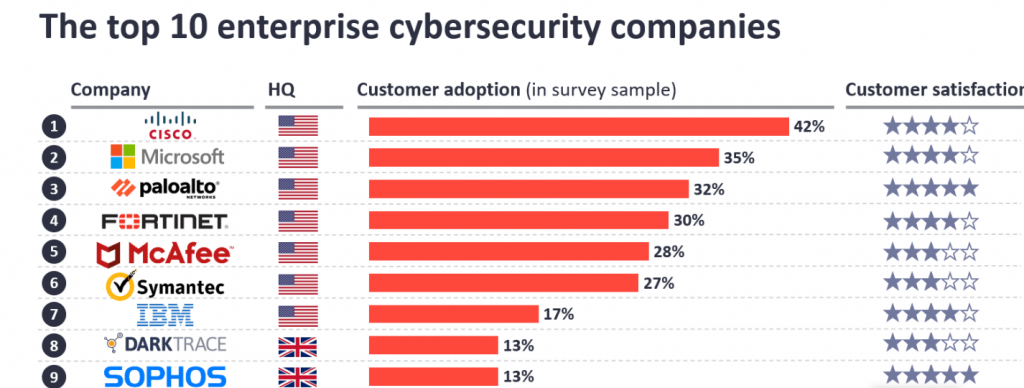
It’s not just law enforcement that’s tackling the Darknet. Private cybersecurity firms are also using data science techniques to monitor and analyze illegal activities. Companies like Chainalysis use blockchain forensics to track cryptocurrency transactions, providing valuable information to law enforcement and financial institutions.
Looking Ahead: The Future of Darknet Analysis
As technology evolves, so do the challenges we face in monitoring the Darknet. However, with the continued advancement of data science, machine learning, and artificial intelligence (AI), we are better equipped than ever to tackle these challenges. In the future, we may see:
- AI-Powered Investigations: AI systems that automatically detect and flag suspicious activity in real-time, helping cybersecurity professionals stay ahead of criminals.
- Improved Cryptocurrency Tracking: As more cryptocurrencies emerge, data science techniques will continue to evolve, making it easier to track and analyze financial transactions on the Darknet.
Conclusion
The Darknet may seem like an impenetrable part of the internet, but data science is helping to shed light on the activities that take place there. From web scraping to machine learning, these techniques are giving cybersecurity professionals the tools they need to make a real difference.
As someone who has been through Lantern Institute’s intensive training, I can confidently say that the institute is playing a critical role in preparing the next generation of data scientists to tackle these challenges head-on. With the right training and tools, we are better equipped than ever to analyze, understand, and ultimately combat illegal activities on the Darknet.